What is 111.90.150.504?
111.90.150.504 is an Internet Protocol (IP) address that falls within the range of IPv4 addresses. IPv4 addresses are numerical labels assigned to devices connected to computer networks, which utilize the Internet Protocol for communication. Each IPv4 address consists of four sets of numbers, each ranging from 0 to 255, separated by periods. As a unique identifier for a device on a network, 111.90.150.504 enables the routing and delivery of data packets across the internet.
This particular address can be classified into two main categories: public and private IP addresses. Public IP addresses like 111.90.150.504 are assigned by an Internet Service Provider (ISP) and are globally unique, allowing devices to be accessible from outside their local networks. In contrast, private IP addresses, such as those reserved for internal use within local networks, are not routable on the internet.
The relevance of 111.90.150.504 can be observed in various contexts, including web hosting, electronic communication, and network management. For instance, a server or website may be hosted at this address, allowing users to access it via their web browsers. Network administrators may also utilize this address while configuring routers or setting up firewalls to ensure proper data transmission and security.
In conclusion, understanding the significance of 111.90.150.504 encompasses its role as an IP address within networking and technology, highlighting its classifications and notable uses in contemporary digital communication.
Understanding the Role of IP Addresses
IP addresses serve as foundational elements of the internet, functioning as unique identifiers assigned to devices within a network. Each device connected to the internet, from computers and smartphones to smart appliances, requires a distinct IP address to communicate effectively. For example, the IP address 111.90.150.504 is a specific address that enables data packets to be routed correctly to a particular destination. This routing capability is vital for ensuring that the information sent over the internet reaches its intended target without confusion.
There are two primary types of IP addresses: IPv4 and IPv6. IPv4 addresses consist of four numeric segments separated by dots, such as 111.90.150.504. This format is widely used but faces limitations due to the finite number of available addresses. In contrast, IPv6 was developed to overcome these limitations, providing an exponentially larger address space. Nonetheless, the significance of IPv4 addresses like 111.90.150.504 remains high, especially in regions that have not transitioned to IPv6.
The correct configuration of an IP address is crucial for seamless internet connectivity. A misconfigured IP address can lead to network conflicts, preventing devices from accessing the necessary resources or communicating with each other. Furthermore, understanding how to manage IP addresses is essential for network administrators, as they play a vital role in maintaining the integrity and performance of the network.
In the context of network security, IP addresses also assist in monitoring and controlling external access to networks. By analyzing the traffic to and from specific IP addresses, such as 111.90.150.504, administrators can identify unusual activities and potentially mitigate security threats. Consequently, IP addresses are not merely technical elements; they represent a critical aspect of internet functionality and security.
Common Issues Related to IP Addresses
In the realm of network technology, understanding the issues related to IP addresses is crucial for maintaining a stable and secure environment. Users often encounter various problems, including connectivity issues, misconfiguration, and security risks, which can adversely impact their internet experience. Specifically, when dealing with an IP address like 111.90.150.504, recognizing these common issues becomes essential.
One prevalent issue is connectivity disruptions. Users may find that they are unable to access the internet entirely or experience intermittent connection failures. This could be due to various factors, including an improper assignment of 111.90.150.504 or conflicts with other devices on the network that might have similar IP addresses. A straightforward troubleshooting step is to restart the modem or router, which can help re-establish a proper connection.
Misconfiguration is another challenge that can arise with IP addresses. Configuration settings might inadvertently be altered, leading to communication problems between devices. For example, if 111.90.150.504 is incorrectly set up in the network settings, various devices may struggle to connect to the local network. Users can resolve this by checking the device’s network settings or restoring the default configurations.
Lastly, security risks associated with IP addresses cannot be overlooked. An exposed IP address such as 111.90.150.504 may attract unsolicited access attempts, leading to potential breaches. To protect against these threats, implementing firewalls and keeping network devices regularly updated is advisable. Additionally, employing a VPN (Virtual Private Network) can obscure the IP address, providing an extra layer of security.
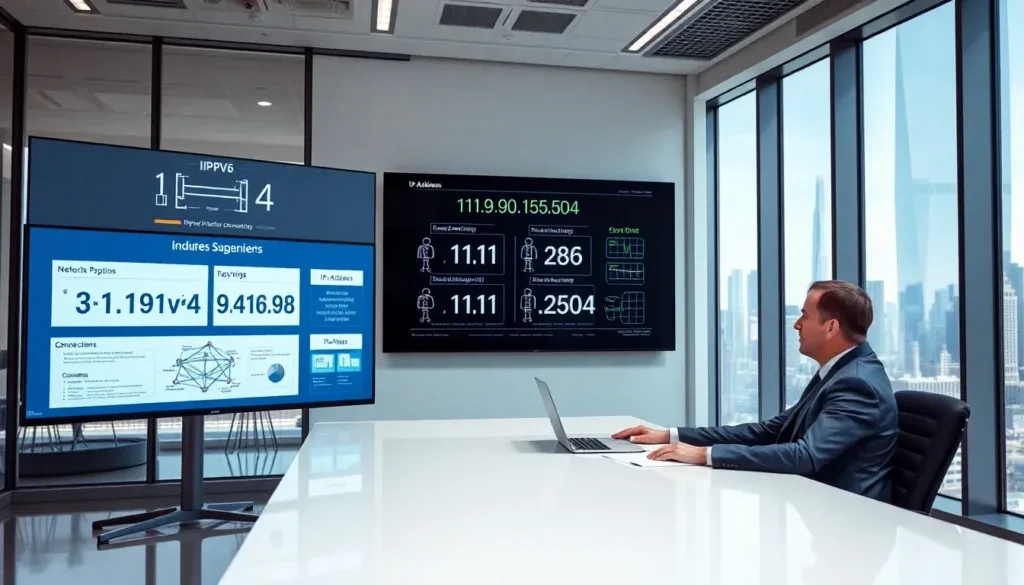
Overall, raising awareness about these common problems related to IP addresses can empower users to take preventative measures and effectively troubleshoot issues when they arise.
Future Trends in IP Addressing
The world of IP addressing is poised for significant transformation, largely driven by the growing demands of an increasingly interconnected digital landscape. As the current IPv4 system reaches its limitations, the shift towards IPv6 has already commenced. This transition is essential not only for replenishing the dwindling pool of available addresses but also for accommodating the explosive growth in IoT devices and mobile traffic. The transition from IPV4 to IPv6 addresses, exemplified in addresses like 111.90.150.504, marks a critical turning point to ensure scalability and continued functionality of the internet.
IPv6 offers a vastly expanded address space, allowing organizations to assign unique addresses to an unprecedented number of devices. This shift not only supports growth but also fosters more efficient routing and improved security features, essential in today’s cybersecurity landscape. As organizations adapt to using protocols such as IPv6, they will need to consider potential implications, particularly how their existing infrastructure will interoperate with modern addressing standards.
Moreover, future trends may include the integration of advanced protocols that enhance Internet of Things (IoT) connectivity and provide seamless communication across devices. As technologies continue to evolve, protocols could become more adaptive to user needs and regulatory requirements. This change can significantly impact entities utilizing IP addresses like 111.90.150.504, demanding a strategic reevaluation of their IP management approaches to enhance security and ensure compliance with emerging standards.
Ultimately, as the internet ecosystem evolves through these upcoming trends, stakeholders must remain informed and flexible, ready to embrace advancements that will shape the future of digital communication and enhance the robustness of cybersecurity measures.